
Individual and relationship therapy for people seeking deeper connection, clarity, and lasting change — with themselves and with others.
A structured, supportive space focused on understanding patterns, strengthening emotional resilience, and practicing healthier ways of relating.
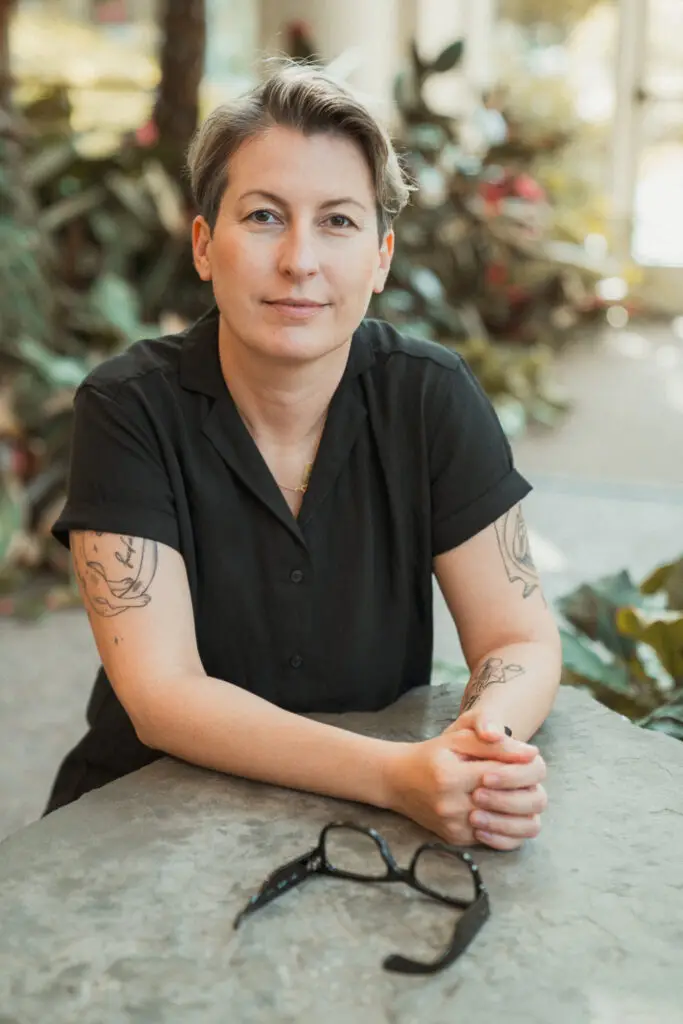
I’m Katya Stark, MS, LPC, NCC
Certified Imago Clinical Therapist
I provide individual counseling, relationship therapy, and LGBTQ+ affirming support in Salt Lake City, across Utah, and throughout Oregon via online therapy. I help people strengthen their relationships – with partners and with themselves – through clarity, emotional insight, and practical tools.
As a Licensed Professional Counselor in both Utah and Oregon, I’m trained to work with individuals and couples, offering compassionate, structured, and effective support.
- BondWiseTherapy
- Salt Lake City, Utah
- Oregon via Online
My Counseling Services
At BondWiseTherapy, I believe that building authentic, meaningful connections is essential for healing. Whether in your personal life, with your partner, or within the LGBTQ+ community, I’m here to guide you in cultivating healthier, more fulfilling relationships.
Couples Therapy
Individual Counseling
Marriage Counseling
LGBTQ+ Counseling
Religious Trauma & Faith Transitions Counseling
Relationship Workshops
Explore therapist-led workshops focused on emotional wellbeing, self-awareness, and personal growth. Each workshop offers a supportive space to learn practical tools for healing, stress management, and healthier everyday living.
Intensives
Intensive therapy sessions provide deeper, focused support for individuals seeking meaningful progress in a shorter time. These extended sessions are designed to help address emotional challenges, build clarity, and support lasting change.
My Blog
Explore my blog for expert advice, tips, and resources to help you improve your emotional well-being and build stronger relationships.
I offer couples counseling, marriage counseling, and individual therapy for adults and couples in Utah and Oregon, helping clients develop practical relationship skills, emotional resilience, and deeper connection through secure, telehealth-based care.